
Transforming your home into a space that is both beautiful and functional requires more than just aesthetic upgrades—it demands careful planning, strategic investment, and professional guidance. Home remodeling allows homeowners to maximize comfort, enhance property value, and align their living spaces with their lifestyle.
From updating kitchens and bathrooms to optimizing flooring, outdoor areas, and structural elements, a comprehensive approach ensures that every improvement contributes to long-term satisfaction. Equally important is understanding how each decision impacts both daily living and future resale potential. Homeowners must balance style, functionality, and durability while keeping within budget and timeline constraints.
Collaborating with experienced home remodelers and trusted contractors ensures that renovations meet safety standards, architectural integrity, and personal preferences. Whether you’re tackling a small update or a full-scale renovation, being informed about materials, layouts, and design trends empowers you to make confident choices. This guide offers actionable strategies, practical tips, and insights to help homeowners work effectively with remodelers, contractors, and designers to achieve their dream home.

Assessing Your Home’s Current Condition
Inspecting Structural and Exterior Elements
Before starting any remodeling project, it is essential to evaluate the condition of your home’s structural and exterior elements. Problems that go unnoticed can escalate during renovations, leading to unexpected costs and delays. Focus on identifying areas that may need attention:
- Check roofs for missing or damaged shingles, leaks, or sagging sections.
- Inspect exterior walls for cracks, water damage, or mold growth.
- Look for signs of foundation issues, such as uneven floors or doors that stick.
- Evaluate gutters and drainage systems for clogs or water diversion problems.
Working with professionals early ensures accurate assessment. Engaging a local roofing contractor or structural inspector helps identify hidden concerns and provides peace of mind. Addressing roof and exterior problems before interior renovations prevents damage to newly remodeled spaces and protects your investment.
Evaluating Functional Spaces
Beyond structural considerations, assess how your home functions for daily life. Identify areas that are underutilized or inefficiently designed. Questions to ask include:
- Are traffic flows logical and unobstructed in high-use areas like the kitchen or living room?
- Do you have sufficient storage in closets, pantries, and utility areas?
- Are there spaces that feel cramped or lack natural light?
- Would certain rooms benefit from multifunctional design, such as home offices or guest bedrooms?
Documenting functional issues ensures that your remodel prioritizes solutions that improve livability, rather than cosmetic updates alone.
Planning a Successful Remodeling Project
Setting Goals and Priorities
Remodeling can quickly become overwhelming without clear objectives. Establishing goals helps homeowners focus on what matters most and prevents impulsive decisions. Consider:
- Which spaces will deliver the most significant impact on daily life?
- What balance should be struck between style upgrades and functional improvements?
- Are there long-term needs, such as accommodating a growing family or aging-in-place adaptations?
- How can improvements increase home value if resale is a consideration?
Prioritizing projects ensures that the most critical areas are addressed first, optimizing both budget and timeline.
Budgeting and Financial Planning
Establishing a realistic budget is one of the most critical steps in remodeling. Hidden costs, such as permitting, electrical upgrades, or structural repairs, can inflate expenses if not planned for. Consider:
- Setting aside a contingency fund of 10-15% for unexpected costs.
- Comparing cost estimates from multiple contractors for transparency.
- Researching financing options, including home equity loans or renovation-specific loans.
- Understanding how each project impacts overall home value to ensure a positive return on investment.
Working with a reputable home remodeling company or experienced home remodelers can help accurately forecast costs, avoid overspending, and maintain a clear plan for the project from start to finish.
Designing Your Dream Kitchen
Optimizing Layout and Workflow
The kitchen is often considered the heart of the home, and its design greatly affects both functionality and comfort. Remodelers recommend focusing on workflow, storage, and ergonomics:
- Use the “work triangle” concept—placing the refrigerator, stove, and sink in a triangular layout for efficiency.
- Ensure adequate counter space around key prep areas to prevent crowding.
- Consider islands or peninsulas for additional prep space and seating.
- Plan storage solutions strategically, including pull-out drawers, pantry shelves, and corner cabinets.
Effective planning allows for a kitchen that supports both daily use and entertaining, balancing aesthetics with practicality. Professional kitchen renovation specialists can recommend layouts that suit your cooking habits and maximize usability.
Choosing Materials and Finishes
Material selection significantly impacts both the appearance and longevity of a kitchen remodel. Consider:
- Countertops: Choose materials that are durable, low-maintenance, and complementary to cabinetry. Options include granite, quartz, or engineered stone.
- Cabinetry: Evaluate wood, laminate, or hybrid materials for durability and style.
- Backsplashes and flooring: Select materials resistant to moisture, heat, and wear.
Investing in quality materials ensures that your kitchen remains attractive and functional for years. Incorporating a stylish kitchen countertop or complementary countertop designs can elevate the entire space while providing practical benefits like scratch resistance and easy cleaning.
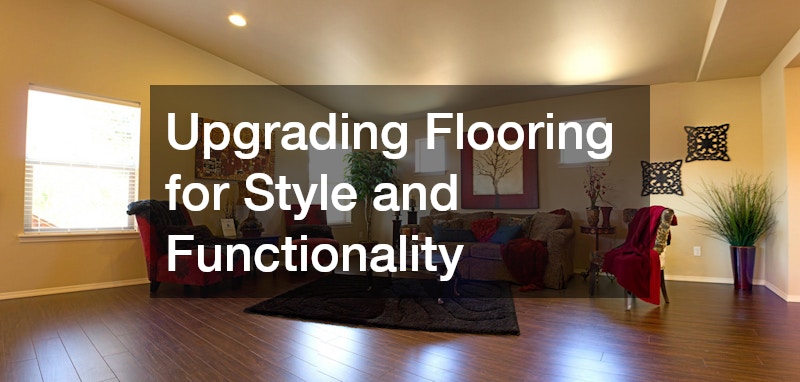
Upgrading Flooring for Style and Functionality
Selecting the Right Flooring Material
Flooring plays a pivotal role in a home’s comfort, appearance, and maintenance requirements. When planning a remodel, consider:
- Hardwood: Offers durability, classic appeal, and can be refinished multiple times.
- Tile: Ideal for wet areas like kitchens and bathrooms due to water resistance.
- Laminate or vinyl: Cost-effective alternatives that mimic natural materials.
- Carpet: Provides comfort and warmth in bedrooms but requires regular cleaning.
Evaluate factors such as foot traffic, room purpose, and maintenance expectations before making a final selection. Professional floor installation ensures proper subfloor preparation and long-term performance.
Installation Tips and Maintenance
Proper installation is critical for flooring longevity. Consider these tips:
- Ensure the subfloor is level, dry, and free of debris.
- Follow manufacturer guidelines for acclimating materials before installation.
- Use appropriate underlayments to improve insulation and soundproofing.
- Regularly maintain floors through cleaning and periodic refinishing, depending on the material.
Well-installed and maintained floors enhance both the aesthetic and functional value of a remodeled home.
Enhancing Outdoor Living Spaces
Designing Functional Patios and Decks
Outdoor spaces offer opportunities to expand living areas and enhance lifestyle quality. When planning patios and decks:
- Consider layout for entertaining, dining, and relaxation.
- Choose durable materials suited to your climate, such as composite decking, stone, or treated wood.
- Incorporate shade elements like pergolas or retractable awnings for comfort.
- Ensure safe transitions between indoor and outdoor areas.
Working with experienced patios designers ensures functionality, style, and long-term durability for outdoor living spaces.
Integrating Landscaping and Outdoor Features
Well-planned landscaping complements patios and decks, creating a cohesive backyard environment. Consider:
- Planting zones that balance aesthetics with privacy.
- Pathways, lighting, and water features for ambiance and safety.
- Incorporating seating areas, fire pits, or outdoor kitchens.
- Using native plants to reduce maintenance and water use.
By integrating thoughtful landscaping with functional patios, homeowners create inviting, usable outdoor spaces year-round.
Roof Repair and Exterior Protection
Identifying Roof Problems Early
The roof is a critical component of any home remodel, providing protection and structural integrity. Signs that repair or replacement is necessary include:
- Leaking water or stains on ceilings and walls.
- Missing or curling shingles and flashing damage.
- Excessive granule loss from shingles.
- Attic condensation or inadequate ventilation.
Addressing issues early prevents damage to interiors and structural components. Hiring a qualified local roofing contractor ensures proper assessment and expert recommendations for roof repair.
Choosing the Right Roofing Solutions
Selecting the right materials and contractors is key for long-term protection. Consider:
- Materials suited to local climate conditions (asphalt, metal, or clay tiles).
- Warranties and lifespan of roofing products.
- Reputable contractors with proven experience in residential roofing.
- Maintenance plans to extend roof longevity.
Proper roof care not only protects the home but also enhances overall value and energy efficiency.

Working With Professionals Effectively
Selecting the Right Home Builder or Remodeler
Finding the right professionals is essential for a successful remodeling project. When evaluating contractors:
- Verify licensing, insurance, and certifications.
- Review portfolios of previous projects.
- Seek references and client testimonials.
- Discuss timelines, budgets, and project scope upfront.
Experienced home builder and home remodelers ensure that the project is executed safely, efficiently, and to high standards.
Coordinating Multiple Trades
Many remodels require work from electricians, plumbers, carpenters, and other specialists. To streamline operations:
- Create a clear project timeline with dependencies identified.
- Maintain open communication between contractors and homeowners.
- Schedule inspections to ensure compliance with local building codes.
- Keep records of all changes and approvals for accountability.
Effective coordination minimizes delays, reduces costs, and ensures high-quality results.
Maximizing Space With Smart Storage and Layout Solutions
Incorporating Built-In Storage
Efficient storage solutions enhance both functionality and aesthetics. Ideas include:
- Custom cabinetry in kitchens and bathrooms.
- Under-stair storage for unused spaces.
- Closet organizers and built-in shelving for bedrooms.
- Multi-purpose furniture with hidden storage compartments.
Properly designed storage solutions complement kitchen renovation projects and countertop arrangements, reducing clutter and improving usability.
Open-Concept vs. Defined Spaces
Evaluate whether to maintain distinct rooms or embrace open layouts. Open concepts offer:
- Improved natural light and airflow.
- Better social connectivity in living and dining areas.
- Flexibility in furniture placement.
Defined spaces provide privacy, noise control, and separation for specific functions. Choosing the right approach depends on lifestyle and family needs.
Final Touches That Elevate Your Home
Painting, Lighting, and Decorative Details
Small finishing touches can dramatically enhance the look and feel of your remodel. Consider:
- Complementary color schemes and accent walls.
- Layered lighting with ambient, task, and accent sources.
- Decorative moldings, trims, and fixtures for visual interest.
- Strategic placement of mirrors or artwork to enhance spatial perception.
Partnering with a reliable home remodeling company ensures that these details are executed professionally.
Hardware, Fixtures, and Functional Features
High-quality hardware, faucets, handles, and appliances enhance both function and aesthetic appeal. Tips include:
- Select materials that resist wear and corrosion.
- Match hardware finishes to cabinetry and countertops for cohesion.
- Invest in energy-efficient appliances to reduce utility costs.
- Consider user-friendly features like soft-close drawers and adjustable shelving.
These finishing touches increase satisfaction and long-term usability in remodeled spaces.
Maintaining Your Investment
Routine Inspections and Repairs
Regular inspections help preserve the quality and longevity of your remodel. Focus on:
- Annual roof inspections to address leaks or damage promptly.
- Checking plumbing, electrical, and HVAC systems.
- Ensuring flooring, cabinetry, and countertops remain in good condition.
- Maintaining patios and outdoor spaces to prevent deterioration.
Engaging a local roofing contractor for roof checks and roof repair as needed protects your home from costly damage.
Long-Term Care for Interiors and Exteriors
Ongoing care ensures that your remodeling investment retains both functionality and appeal:
- Deep clean and seal countertops and kitchen surfaces.
- Refinish hardwood floors or repair damaged tiles periodically.
- Inspect and clean gutters, decks, and patios seasonally.
- Touch up paint, hardware, and fixtures to maintain appearance.
Routine maintenance helps extend the lifespan of all improvements while safeguarding property value. By regularly inspecting and caring for your home’s structural, interior, and exterior elements, you prevent small issues from developing into costly problems. For example, checking for minor roof leaks or worn shingles early allows a local roofing contractor to address them before they cause water damage to ceilings, walls, or flooring.
Similarly, maintaining kitchen surfaces, such as sealing a kitchen countertop or cleaning grout lines, keeps them looking fresh and prevents staining or deterioration over time. Floors, especially hardwood or tile, benefit from periodic refinishing, polishing, or grout cleaning to preserve their aesthetic and functional qualities. Even outdoor features like patios, decks, or landscaping require seasonal upkeep to prevent rot, erosion, or cracking. Routine maintenance also provides an opportunity to identify areas where upgrades or enhancements may be beneficial. For instance, replacing outdated lighting, updating fixtures, or refinishing cabinets can improve both style and functionality without the need for a full remodel.
Consistent care demonstrates responsible homeownership and enhances curb appeal, which is especially valuable if you plan to sell. Over time, this diligence protects your investment, maintains comfort, and ensures that your home continues to operate efficiently and safely.
Transforming your living space through remodeling requires thoughtful planning, collaboration with skilled professionals, and attention to both design and function. By assessing current conditions, prioritizing goals, upgrading kitchens, flooring, and outdoor spaces, and incorporating the right finishes and storage solutions, homeowners can achieve a balance of beauty, comfort, and long-term value. Careful maintenance ensures that these improvements remain effective and aesthetically pleasing for years to come.
If you’re ready to elevate your home with expert remodeling services, contact a trusted home remodeling company today. Whether upgrading kitchens, installing durable flooring, or enhancing outdoor living spaces, professional guidance ensures every project is executed efficiently, safely, and to your exact specifications. Start your home transformation journey now and create a space that reflects your lifestyle, taste, and aspirations.